
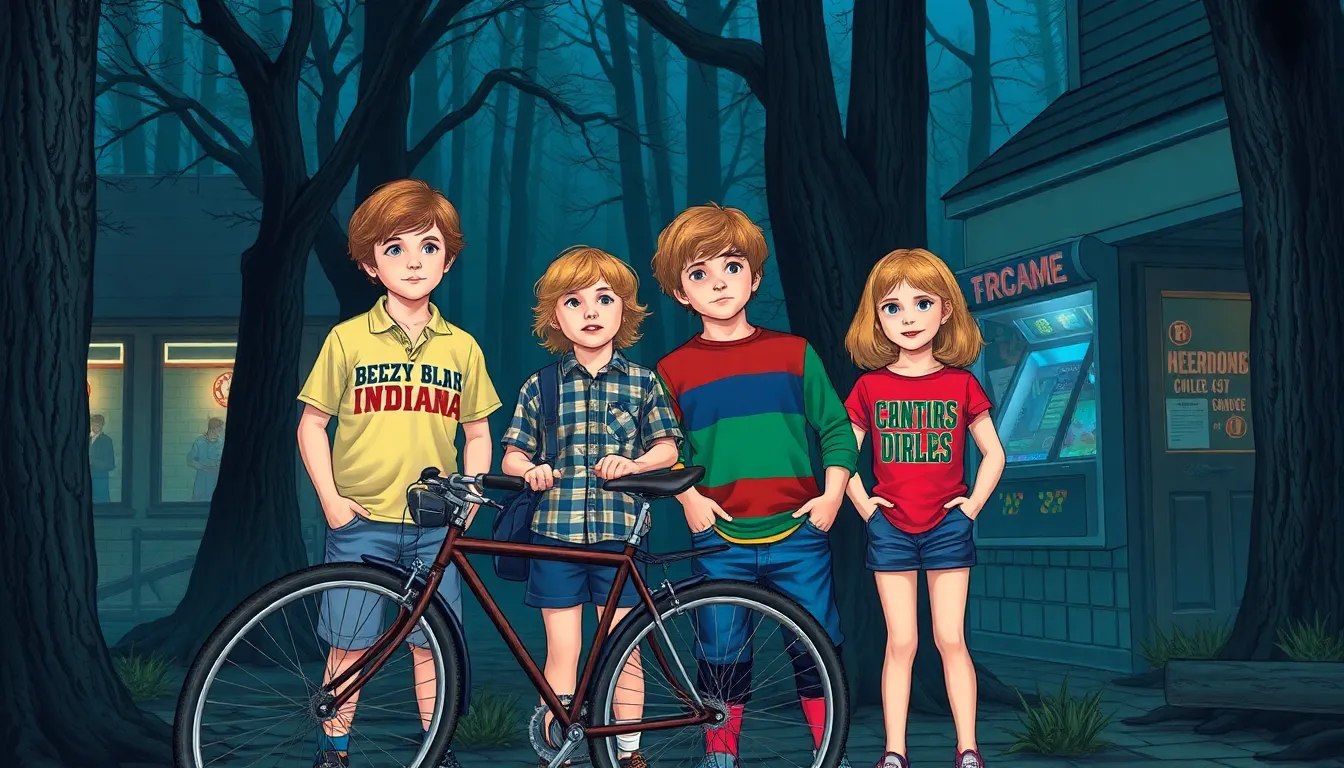
Time travel, parallel universes, and a sprinkle of 80s nostalgia—welcome to the world of Stranger Things! Set against the backdrop of Hawkins, Indiana, this beloved series takes viewers on a wild ride through the eerie and the extraordinary. But when exactly does all this supernatural shenanigans unfold?
Overview of Stranger Things
“Stranger Things” unfolds primarily in the 1980s, a decade known for its vibrant pop culture and distinctive style. The series captures the essence of this era through its characters, attire, and social dynamics, evoking a strong sense of nostalgia. Set in Hawkins, Indiana, the fictional town becomes a backdrop for a series of strange events tied to government experiments and the supernatural.
Key elements include the Upside Down, a parallel dimension that intertwines with Hawkins. The show explores themes of friendship, courage, and the battle between good and evil against a backdrop of supernatural occurrences. Each season introduces new characters and challenges, expanding the narrative while maintaining connections to previous storylines.
Timeframes within the series often shift. For example, the first season takes place in 1983, marking the beginning of the kids’ adventures. In contrast, subsequent seasons progress through the 1980s and into the early 1990s, demonstrating significant character development and evolution of overarching themes. Viewers experience holidays, seasons, and pivotal moments that frame the storyline, contributing to its emotional depth.
Cinematic influences from classic films of the 80s permeate the narrative. References to iconic movies bolster the nostalgic experience, making the series appealing to both new audiences and those who remember the period. “Stranger Things” stands as a tribute to the cultural artifacts of its time while exploring timeless human themes.
This unique blend of suspense, humor, and drama keeps viewers engaged, creating a rich tapestry of interconnected tales that continues to evolve across seasons. It’s this interplay of time, memory, and mystery that sets “Stranger Things” apart in the realm of modern television.
Time Periods in Stranger Things
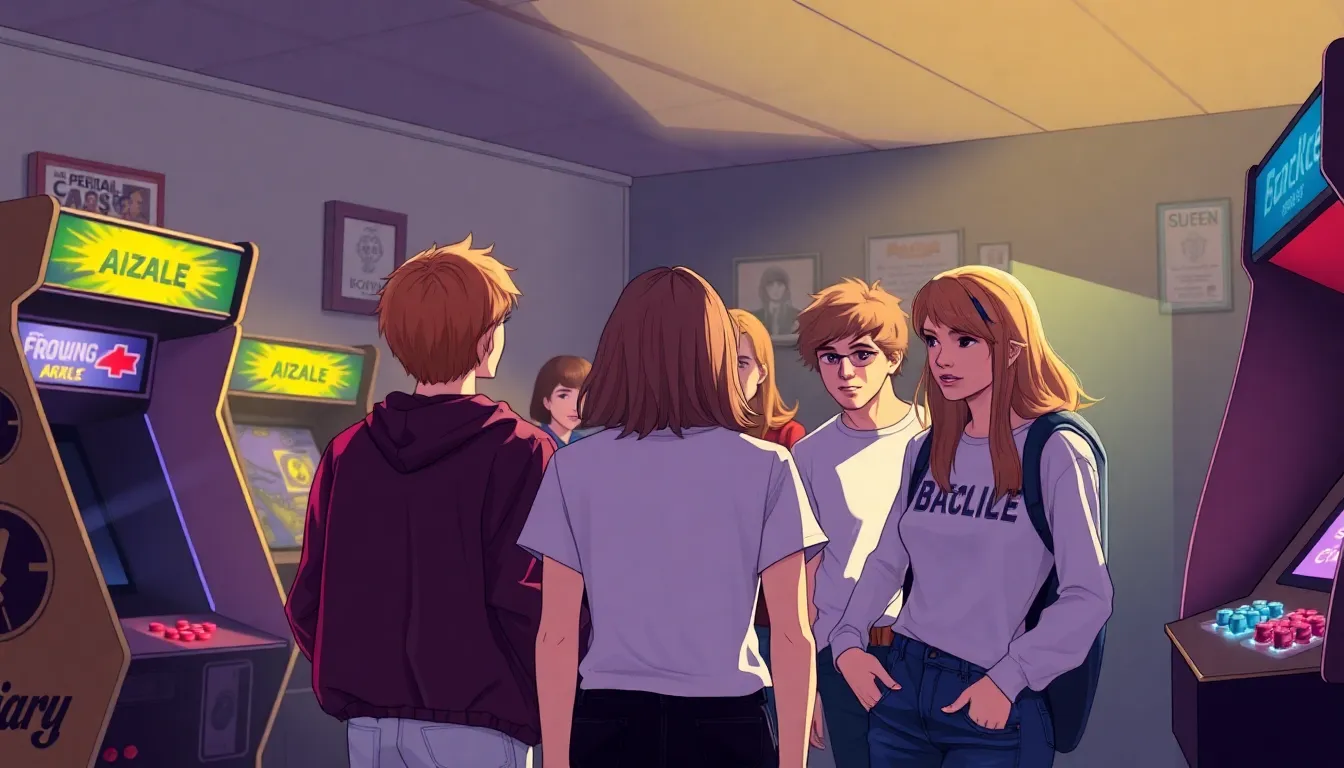
“Stranger Things” primarily unfolds in the 1980s, a decade rich with cultural significance and nostalgia. The creators intricately weave the styles, music, and societal attitudes of this era into the show’s fabric, making it resonate deeply with audiences.
Setting in the 1980s
The main setting revolves around 1983, which is when the first season begins. Key cultural elements from this decade surface prominently, such as iconic fashion choices and technology. Characters utilize rotary phones and arcade games, establishing an authentic 80s atmosphere. Each episode references pop culture touchstones like movies, music, and television shows that shaped viewers’ childhood experiences during that time. Those elements create a vivid backdrop for the show’s supernatural occurrences, enhancing its characters’ journeys while propelling the narrative forward.
Influences from the 1970s and 1990s
Elements from the 1970s also permeate the series, influencing its visual and thematic style. Classic horror films from that era inspire the series’ darker tones and suspenseful moments. Furthermore, the early 1990s begin to emerge in later seasons, reflecting the ongoing evolution of the characters. This transition showcases how their experiences shift as they face new challenges and adapt to changing circumstances. By incorporating influences from these adjacent decades, “Stranger Things” creates a multidimensional narrative that appeals to a broad spectrum of viewers, blending nostalgia with fresh storytelling.
Key Events and Their Timelines
Key events in “Stranger Things” span several critical moments that unfold primarily in the 1980s. Each event significantly impacts the story arc, character development, and overarching themes.
The Hawkins Lab Incident
Hawkins Lab plays a pivotal role in the series. In November 1983, an experiment aimed at exploring the supernatural inadvertently opens a gateway to the Upside Down. Eleven, a young girl with telekinetic abilities, escapes from the lab during this chaos. This incident sets off a chain reaction, exposing Hawkins to terrifying creatures and dark phenomena. The consequences of these experiments lead local authorities and families to uncover hidden truths and raise questions about government intervention and human experimentation.
The Upside Down and Its Implications
The Upside Down represents a crucial element in “Stranger Things.” This parallel dimension first appears in 1983, revealing itself as a dark and twisted version of Hawkins. As the series progresses, the implications of this alternate reality become increasingly profound. Creatures like the Demogorgon and the Mind Flayer emerge, threatening the safety of the town’s residents. Characters consistently seek ways to bridge this connection, showcasing their resilience and determination. Each encounter with the Upside Down deepens the narrative, intertwining friendships and escalating the stakes in their fight against evil.
Cultural References and Their Significance
“Stranger Things” incorporates numerous cultural references that enrich the viewing experience. Each nod to the 1980s pop culture, from music to fashion, connects viewers to the era. Iconic films like “E.T. the Extra-Terrestrial” and “The Goonies” frequently surface and shape the show’s tone.
Distinctive elements of 1980s technology, such as rotary phones and tube televisions, establish a nostalgic atmosphere. Characters often reference classic arcade games, further highlighting the era’s influence on youth culture. The soundtrack features popular songs from the time, immersing audiences in the past while enhancing emotional moments.
Darker themes also draw from the 1970s, providing a suspenseful edge to the narrative. This combination draws viewers into a world where horror and heart meld seamlessly. References to notable events, such as political turmoil and and evolving social attitudes of the 1980s, underline character motivations.
Significant symbols, like Eleven’s iconic dress and the Demogorgon’s terrifying visage, evoke a sense of familiarity. Each symbol not only serves as a story device but also reflects core themes of friendship and bravery. Characters’ connections deepen through shared experiences and cultural touchstones, reinforcing the narrative’s emotional weight.
Later seasons start incorporating elements from the early 1990s. This shift mirrors the characters’ growth and transition into new challenges. By blending these cultural aspects, “Stranger Things” offers audiences a rich tapestry of storytelling. Fans not only revisit the past but also see echoes of timeless human experiences that resonate universally.
“Stranger Things” masterfully captures the essence of the 1980s while weaving in elements from the 1970s and early 1990s. This blend creates a rich narrative landscape that resonates with viewers across generations. As characters navigate the complexities of friendship and face supernatural threats, the show’s timeline deepens their development and enhances emotional stakes.
The series’ unique ability to intertwine nostalgia with contemporary storytelling keeps audiences engaged and eager for more. With each season, “Stranger Things” solidifies its place in modern television, reminding viewers of the enduring power of friendship and courage against the backdrop of a hauntingly familiar yet fantastical world.