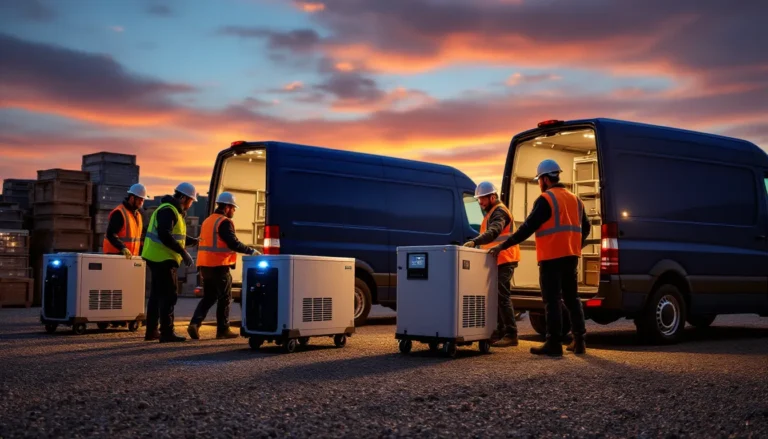

In a world where robots might soon outnumber humans, understanding robotics and coding isn’t just a hobby—it’s a survival skill. Imagine a future where your coffee maker not only brews your morning cup but also tells you the latest news and reminds you of that awkward meeting you’ve been avoiding. Sounds dreamy, right?
Understanding Robotics and Coding
Robotics and coding play crucial roles in shaping the future of technology. These fields work in tandem, driving innovation and automation across various industries.
The Basics of Robotics
Robotics involves designing, constructing, and operating robots. Functions often include performing specific tasks, such as assembly line work, exploration, and even complex surgeries. Components like sensors, actuators, and control systems allow robots to interact with their environment. Applications range from manufacturing robots that assemble products to autonomous drones that conduct surveys. Understanding robotics requires knowledge of engineering principles, computer science, and physics.
The Role of Coding in Robotics
Coding serves as the backbone of robotics, enabling machines to perform tasks and respond to commands. Programming languages like Python and C++ are popular for developing control algorithms and processing sensor data. Code directs a robot’s movement, decision-making, and problem-solving capabilities. Specific codes ensure seamless operation and communication between hardware components. Mastering coding is essential for anyone looking to innovate within the field of robotics.
Applications of Robotics and Coding
Robotics and coding play vital roles across various sectors. Their practical applications continue to expand as technology advances.
Industrial Automation
Automation increases productivity in manufacturing environments. Robots handle tasks like assembly, welding, and quality control efficiently. Implementing robotic systems lowers operational costs while enhancing precision. For instance, a report by the International Federation of Robotics (IFR) emphasizes that industrial robots can improve production rates by up to 30%. Numerous companies now integrate robotics to remain competitive within their industries. Increased output and decreased labor costs lead to significant advantages for businesses relying on robots for repetitive tasks.
Educational Robots
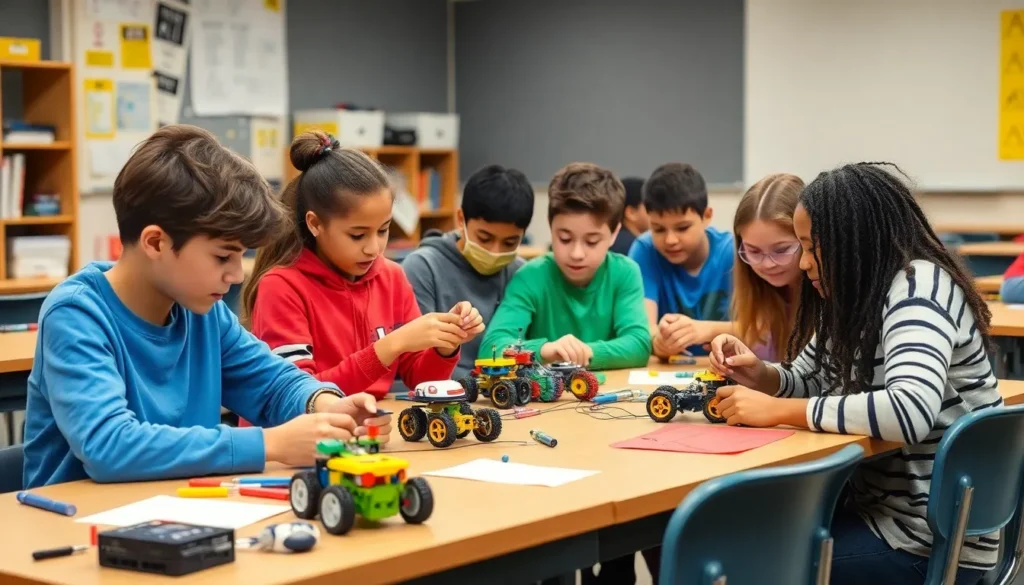
Educational robots foster engagement and learning in classrooms. Schools worldwide use these tools to teach programming and critical thinking skills. For example, robotics kits empower students to build and program their own robots, enhancing their understanding of STEM concepts. Research conducted by the Robotics Education & Competition Foundation indicates that students who participate in robotics activities show a 25% improvement in problem-solving abilities. Students gain hands-on experience in coding languages while developing teamwork and collaboration skills. These educational robots prepare future generations for a tech-driven workforce.
Benefits of Learning Robotics and Coding
Learning robotics and coding offers substantial advantages that prepare individuals for a technology-driven future. These fields foster various skills essential for modern careers.
Skill Development
Skill development stands out as a primary benefit of engaging with robotics and coding. Students learn to build and program robots, which combines theoretical knowledge with practical application. Engaging in these activities strengthens technical skills like programming in languages such as Python and C++. Additionally, hands-on experience promotes creativity, as learners design unique solutions to complex challenges. Obtaining skills in robotics can create opportunities for many careers, including engineering and data analysis. As technology advances, having a solid foundation in these areas becomes increasingly valuable.
Enhancing Problem-Solving Abilities
Enhancing problem-solving abilities figures prominently among the benefits of robotics and coding. Students tackle real-world challenges through project-based learning, which encourages critical thinking. Engaging with robotics requires analyzing scenarios and developing effective solutions, strengthening analytical skills. As students program robots to perform tasks, they learn to identify errors and troubleshoot issues efficiently. Research indicates that those involved in robotics activities show a 25% improvement in problem-solving skills. Acquiring these abilities equips individuals for diverse fields, including software development and artificial intelligence, where innovative thinking is crucial.
Getting Started with Robotics and Coding
Robotics and coding form a solid foundation for anyone looking to thrive in a tech-centric environment. Engaging with these disciplines opens doors to numerous opportunities in various fields.
Recommended Tools and Platforms
Arduino boards provide a user-friendly interface for beginners, enabling easy connections and creations with sensors and motors. Raspberry Pi computers offer versatility, serving as a compact platform for learning programming and robotics. Scratch serves as an excellent introductory programming language, facilitating the creation of interactive stories and games. For coding enthusiasts, platforms like Code.org and Tynker offer structured learning paths focusing on fundamental programming concepts. Finally, LEGO Mindstorms combines building with programming, making it perfect for hands-on learning experiences that captivate young coders.
Beginner Projects to Try
Creating a simple robot is an excellent starting point, allowing individuals to apply knowledge and experiment. Building a line-following robot provides insight into sensor integration and basic algorithms. Another engaging project involves programming an obstacle-avoiding robot, where individuals learn about environmental interaction. Exploring home automation with a smart light system offers real-world applications of coding skills. Programming simple games using Scratch further enhances understanding of logic and problem-solving. Each project not only solidifies coding concepts but also reinforces the practical applications of robotics.
Robotics and coding are rapidly becoming indispensable skills in today’s technology-driven world. As these fields continue to evolve they offer exciting opportunities for innovation and problem-solving. By mastering robotics and coding individuals position themselves at the forefront of technological advancements that will shape the future.
Engaging with these disciplines not only enhances technical abilities but also fosters creativity and critical thinking. Whether in industrial automation or educational settings the applications of robotics and coding are vast and impactful. As society embraces this tech-centric environment those equipped with these skills will undoubtedly thrive in diverse career paths.