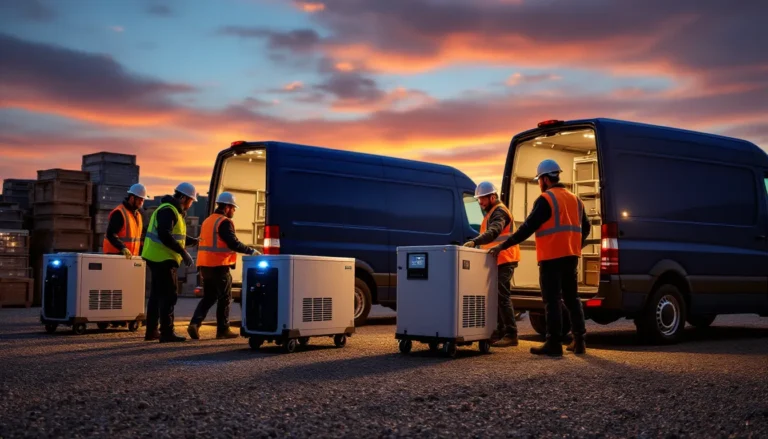

In a world where machines are no longer just metal boxes but intelligent robots, the future looks both exciting and a bit quirky. Imagine a robot that not only can vacuum your floors but also crack a joke while doing it. That’s right! The rise of machine robots is transforming industries and our daily lives in ways that seem straight out of a sci-fi movie.
What Is a Machine Robot?
A machine robot refers to an automated device designed to perform tasks traditionally requiring human intervention. Such robots possess the ability to execute complex sequences of actions with precision and speed. Industrial robots exemplify this category, handling tasks in manufacturing environments, such as assembly, welding, and painting.
Machine robots integrate advanced technologies, including artificial intelligence and machine learning. These technologies enable robots to adapt to varying conditions and improve their performance over time. Algorithm-driven systems often guide their operations, transforming simple mechanical functions into sophisticated actions.
In daily life, machine robots feature prominently in various applications, from household chores to companion devices. Robotic vacuum cleaners serve as an example, effortlessly navigating spaces while cleaning floors. Personal assistant robots, often equipped with voice recognition, interact with users, delivering information and assistance.
The versatility of machine robots extends to sectors such as healthcare, agriculture, and logistics. In healthcare, surgical robots assist surgeons with enhanced accuracy, improving patient outcomes. Agricultural robots facilitate tasks like planting, monitoring crop health, and harvesting, resulting in increased efficiency.
With the ongoing evolution of technology, machine robots promise to redefine human-technology interactions. Engaging experiences could emerge, blending functionality with personality. As robots become more prevalent in both workplaces and homes, their impact will influence various aspects of life, fostering a future where collaboration between humans and machines is commonplace.
Types of Machine Robots
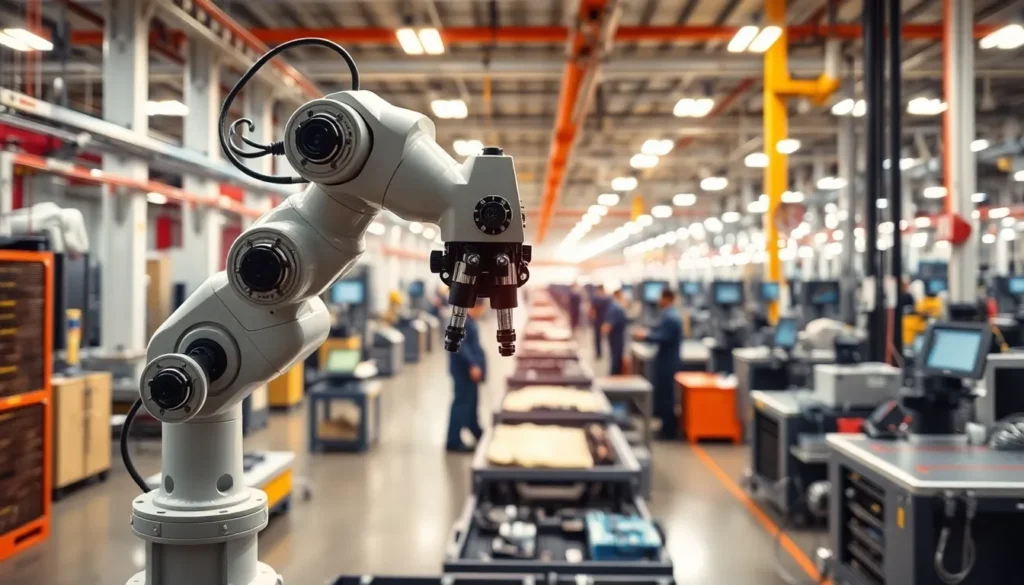
Machine robots come in various types, each designed for specific tasks and environments. Understanding these categories provides insight into their applications and impact.
Industrial Robots
Industrial robots excel in manufacturing environments. They perform tasks like assembly, welding, and painting with precision and speed. Equipped with advanced sensors and controllers, these robots adapt to complex workflows. They enhance productivity and reduce errors in production lines. Companies often rely on these robots to operate continuously, efficiently handling repetitive tasks. Popular examples include robotic arms used for automobile assembly and packaging machines found in food production.
Service Robots
Service robots play a crucial role in everyday life and various industries. These devices assist humans in tasks such as cleaning and delivering items. Robotic vacuum cleaners represent a well-known example, simplifying household chores. In healthcare settings, service robots help deliver medication and assist in surgeries, improving patient care. Customers benefit from robots designed for hospitality, which enhance the dining experience through food delivery. As technology evolves, service robots continue to expand their presence across different sectors, promoting efficiency and safety.
Applications of Machine Robots
Machine robots find extensive applications across various sectors, enhancing efficiency and precision.
Manufacturing
Manufacturing environments leverage machine robots for tasks like assembly, welding, and painting. These robots excel in repetitive tasks, significantly boosting productivity. Equipped with advanced sensors, they adapt to intricate workflows. Companies report up to 30% increases in efficiency due to these automated systems. Industrial robots also mitigate errors, leading to high-quality outputs. Their ability to operate continuously ensures that production lines maintain a steady pace. By minimizing downtime, firms can meet consumer demands swiftly. Data from industry reports indicates that nearly 60% of manufacturers utilize some form of robotic automation today.
Healthcare
Healthcare applications of machine robots include surgical assistance and patient care. Surgical robots enhance precision during operations, reducing the risk of complications. These devices allow surgeons to perform minimally invasive procedures, leading to quicker recovery times. In rehabilitation settings, robotic exoskeletons aid patients in regaining mobility. Studies show that patient outcomes improve when robotic assistance is involved. Additionally, robots are utilized in hospitals for tasks like medication delivery and sanitization, enhancing operational efficiency. As healthcare systems increasingly adopt this technology, it’s expected that robots will manage a larger share of tasks in medical environments, especially in patient monitoring and support.
Advantages of Machine Robots
Machine robots offer significant benefits across various sectors. Efficiency stands out as a primary advantage, with many industries reporting productivity increases of up to 30%. They perform tasks faster and more accurately than humans, requiring fewer breaks and interruptions.
Cost reduction is another noteworthy advantage. Businesses can lower operational expenses by minimizing labor costs and reducing error rates. Manufacturing plants leveraging robotic automation can see an increase in overall profitability and market competitiveness.
Flexibility enhances their appeal. Advanced programming allows robots to adapt to different tasks and workflows. For example, industrial robots can switch between assembly and welding with minimal downtime, optimizing production lines.
Quality assurance also improves with machine robots. These devices maintain consistent quality standards, performing repetitive tasks with high precision and reliability. This consistency leads to reduced defects and enhances product quality.
Safety benefits cannot be overlooked. Robots can handle hazardous materials and perform dangerous tasks such as welding or working in extreme temperatures, reducing workplace accidents and related injuries.
Integration of artificial intelligence further amplifies their advantages. Machine robots learn from experience, enabling them to refine processes continually. This self-improvement capability increases efficiency over time and keeps adaptation aligned with evolving industry standards.
Moreover, machine robots contribute to streamlined logistics. They automate transportation tasks, manage inventory efficiently, and enhance order fulfillment processes. Organizations that employ robotic systems in supply chains experience quicker turnaround times and better stock management.
Lastly, interaction capabilities enhance the role of companion robots. They offer assistance in daily tasks while providing support for emotional well-being. This blend of functionality and engagement presents a new dimension in human-robot collaboration.
Challenges and Limitations
Machine robots face several challenges impacting their effectiveness. High initial costs often deter small businesses from adopting these technologies. Complex integration into existing systems raises technical hurdles that require significant investment in time and resources.
Technical limitations also play a role in the current capabilities of machine robots. Robots struggle to perform tasks in unstructured environments, leading to inefficiencies in certain applications. Limited sensory perception hampers decision-making, particularly in dynamic or unpredictable settings.
Safety concerns present ongoing challenges. Robotic systems can pose risks to human workers when not properly programmed or maintained, resulting in accidents. Regulatory compliance necessitates adherence to safety standards, requiring companies to invest in training and certification processes.
Moreover, robots often lack the ability to understand context or emotional nuances, which limits their interactions with humans. While improvements in artificial intelligence enhance communication between humans and robots, genuine human-like responses remain elusive.
Dependence on a stable power supply also constrains operational productivity. Interruptions in electricity can halt operations, affecting overall reliability and output. In addition, software limitations hinder robots from adapting to new tasks without extensive reprogramming.
Cultural acceptance stands as another barrier to widespread integration. Many individuals perceive robots with skepticism, fearing job loss or privacy infringements. Changing these perceptions requires ongoing education and demonstrable benefits from robotic adoption.
External factors like economic fluctuations and technological advancements further influence the deployment of machine robots. Businesses must remain adaptable and resilient in navigating these changing landscapes to fully leverage robotic technologies.
The journey of machine robots from simple automation to intelligent companions marks a significant milestone in technology. As they become more integrated into various sectors their potential to enhance productivity and improve daily life is undeniable. The blend of functionality and personality in these robots opens up exciting possibilities for human-robot collaboration.
While challenges remain such as high costs and integration hurdles the benefits they offer in efficiency and safety cannot be overlooked. As advancements continue the relationship between humans and robots is poised to evolve further. Embracing this change will be crucial for harnessing the full potential of machine robots in shaping a smarter future.