
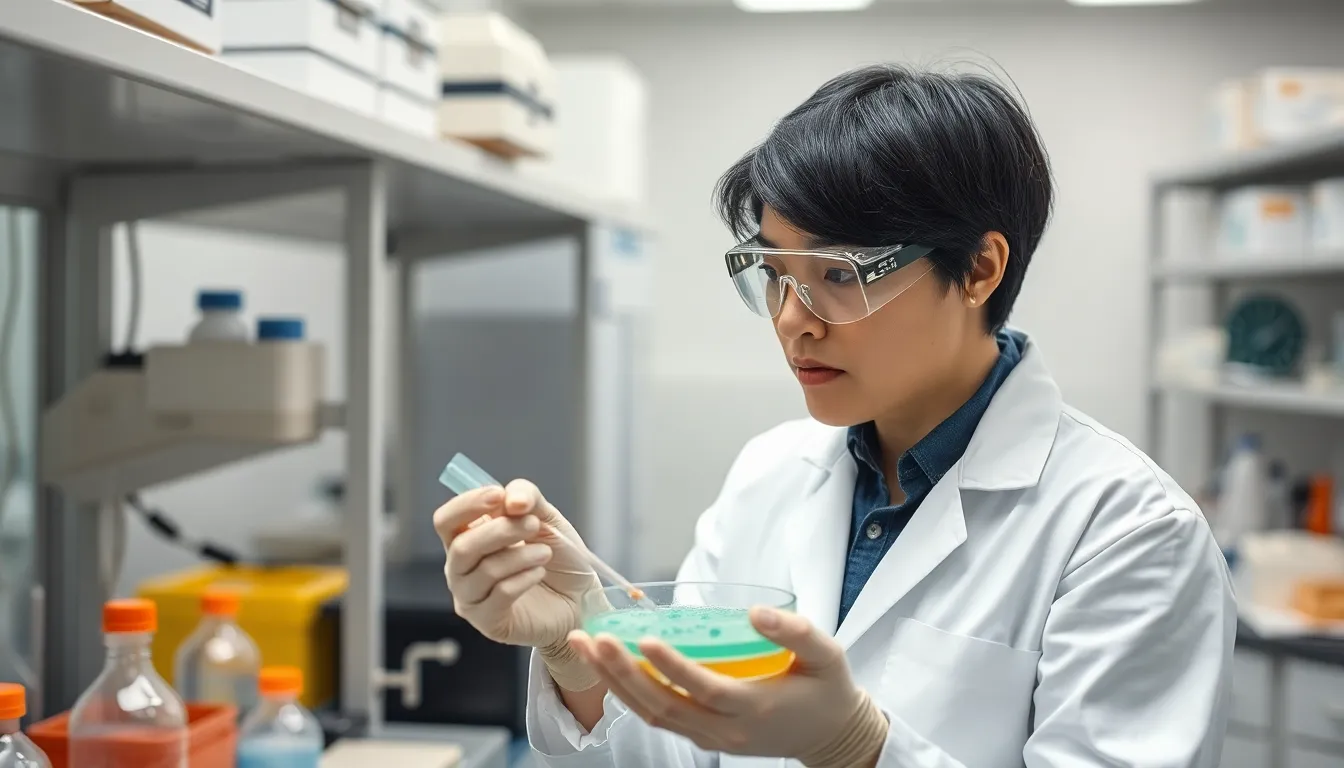
In a world where science fiction often blurs with reality, biotechnology stands at the forefront of innovation. From genetically modified crops to life-saving medical therapies, the potential is staggering. But with great power comes great responsibility, and that’s where biotechnology safety struts onto the stage wearing a superhero cape.
Imagine a laboratory that’s not just a place for mad scientists but a fortress of safety, ensuring that groundbreaking discoveries don’t go rogue. The stakes are high, and understanding the safety protocols in biotechnology is crucial. It’s not just about avoiding a scene from a horror movie; it’s about protecting the planet, human health, and ensuring that the next big breakthrough doesn’t turn into a science experiment gone wrong. Join the journey to unravel how safety measures are the unsung heroes of the biotechnological revolution.
Understanding Biotechnology Safety
Biotechnology safety encompasses measures to mitigate risks associated with biotechnological advancements. It involves assessing potential hazards that may arise from genetically modified organisms or other biotech applications.
Definition of Biotechnology Safety
Biotechnology safety refers to practices ensuring that biotechnological innovations pose minimal risks to human health and the environment. Regulations govern these practices worldwide, focusing on biosafety, biosecurity, and responsible research. Safety protocols detail laboratory standards, containment strategies, and emergency response plans. Effective biotechnology safety requires continuous evaluation of risks as technologies evolve.
Importance of Biotechnology Safety
Biotechnology safety plays a crucial role in fostering public trust in biotech advancements. Ensuring safety prevents unforeseen consequences that affect ecosystems or public health. Regulatory agencies enforce safety standards, promoting ethical research practices. Compliance with safety measures enhances the quality of biopharmaceuticals and agricultural products. Stakeholder engagement includes researchers, industries, and communities, ensuring broad support for biotechnology projects. Safeguarding the environment is critical, as it preserves biodiversity alongside innovation.
Key Regulations and Guidelines
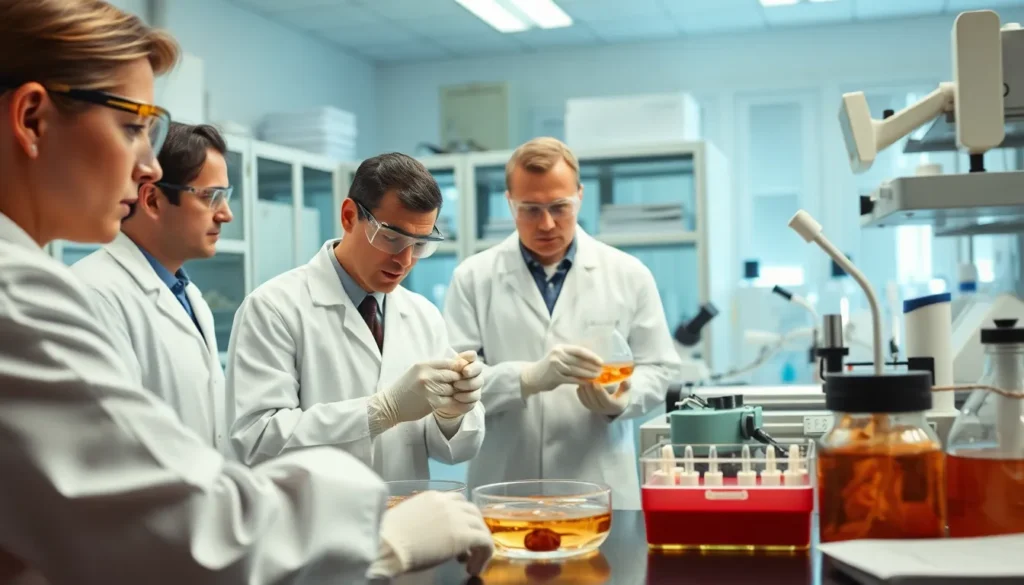
Biotechnology safety encompasses essential regulations and guidelines that ensure safe practices in biotechnological advancements. These frameworks facilitate responsible innovation in various sectors.
International Regulations
Organizations like the World Health Organization (WHO) and the Food and Agriculture Organization (FAO) establish international regulations for biotechnology. The Cartagena Protocol on Biosafety governs the transboundary movement of genetically modified organisms. This protocol emphasizes risk assessment and provides guidance for member countries in managing biotechnology risks. Additionally, the Convention on Biological Diversity promotes the sustainable use of biological resources while protecting ecosystem integrity. These international standards aim to foster collaboration among countries to safeguard health and the environment.
National Regulations
In the United States, several agencies oversee biotechnology safety through national regulations. The Environmental Protection Agency (EPA) regulates genetically engineered organisms under the Federal Insecticide, Fungicide, and Rodenticide Act. The Food and Drug Administration (FDA) ensures the safety of biotechnological products for human and animal consumption. The U.S. Department of Agriculture (USDA) manages the introduction of genetically modified plants and animals. These agencies implement strict guidelines and assessments to minimize potential risks associated with biotechnological innovations.
Assessing Risks in Biotechnology
Risk assessment plays a vital role in ensuring biotechnology safety. Understanding potential risks helps in implementing effective safety measures throughout various applications.
Types of Risks
Biotechnology involves several types of risks that must be managed. Biological risks arise from living organisms, including potential health threats to humans and animals. Environmental risks concern the impact on ecosystems, such as biodiversity loss or contamination of non-target species. Technological risks relate to equipment failures or mishandling of biotechnological processes. Ethical risks encompass concerns about equitable access to biotechnological advancements and potential misuse of technologies. Understanding these categories aids in comprehensive risk evaluation.
Risk Assessment Process
The risk assessment process entails systematic evaluation of potential hazards associated with biotechnological practices. First, identifying risks involves recognizing biological, environmental, and ethical threats. Next, analyzing the likelihood and impact of these risks provides insight into their severity. Then, developing risk management strategies includes implementing biosafety measures and compliance with regulations. Furthermore, regular monitoring ensures adaptation to new technologies and emerging risks. Collaborating with stakeholders throughout these steps enhances transparency and fosters public trust.
Safety Protocols in Biotech Research
Safety protocols ensure lab environments remain secure while research advances. They provide guidelines that protect researchers and the public from potential hazards.
Lab Safety Practices
Effective lab safety practices include proper training and usage of personal protective equipment (PPE). Labs must utilize biosafety cabinets, specifically those rated for Class II, to prevent airborne contamination. Researchers should adhere to strict waste disposal regulations, including the segregation of biohazardous materials. Regular equipment maintenance ensures instruments function correctly and safely. It’s crucial to follow chemical handling procedures to minimize exposure to hazardous substances. Compliance with these practices fosters a safer working environment for all personnel.
Emergency Response Procedures
Emergency response procedures are vital for addressing accidents swiftly and effectively. Each laboratory must develop and communicate specific response plans for incidents like spills and exposures. Training staff in first aid techniques and emergency evacuations reduces risks. Accessible safety data sheets (SDS) provide critical information about handling hazardous materials during emergencies. Regular drills prepare staff to react promptly under pressure. Implementing thorough response strategies helps mitigate impacts and enhances overall safety within biotech research settings.
Case Studies on Biotechnology Safety
Biotechnology safety encompasses real-world applications that demonstrate both success and caution. Case studies illustrate how safety measures can avert risks and promote innovative advancements.
Successful Case Studies
One significant example of biotechnology safety success involves genetically modified (GM) crops designed to resist pests. These crops have reduced pesticide usage by an average of 37%, according to the Food and Agriculture Organization (FAO). Continuous monitoring and rigorous testing ensure these crops meet safety standards while providing food security. The StarLink corn incident marked another pivotal moment, where post-commercialization safety assessments enabled swift actions to prevent cross-contamination. Agencies acted quickly, preserving consumer health and building trust in GM products.
Lessons Learned from Failures
In contrast, the 2000 StarLink contamination incident underscored the consequences of inadequate regulations. The unintended presence of unapproved GM corn in food products resulted in widespread recalls and consumer backlash. This failure demonstrated the need for stricter protocols during product release. The incident also highlighted gaps in risk assessment processes, revealing that oversight must evolve. Stakeholder communication emerged as essential in addressing public concerns and restoring confidence. These lessons emphasize the vital importance of thorough evaluation, timely intervention, and transparent practices in biotechnology safety.
Biotechnology safety is a vital component in the journey toward innovative solutions. By prioritizing safety protocols researchers can ensure that advancements benefit society without compromising health or the environment. Engaging stakeholders fosters a collaborative approach that enhances public trust and encourages responsible research practices.
As the field of biotechnology continues to evolve ongoing risk assessments and adherence to regulations will be crucial in managing potential hazards. The lessons learned from past incidents underscore the importance of transparency and communication in maintaining confidence in biotechnological advancements. With a commitment to safety the future of biotechnology holds great promise for sustainable development and improved quality of life.