
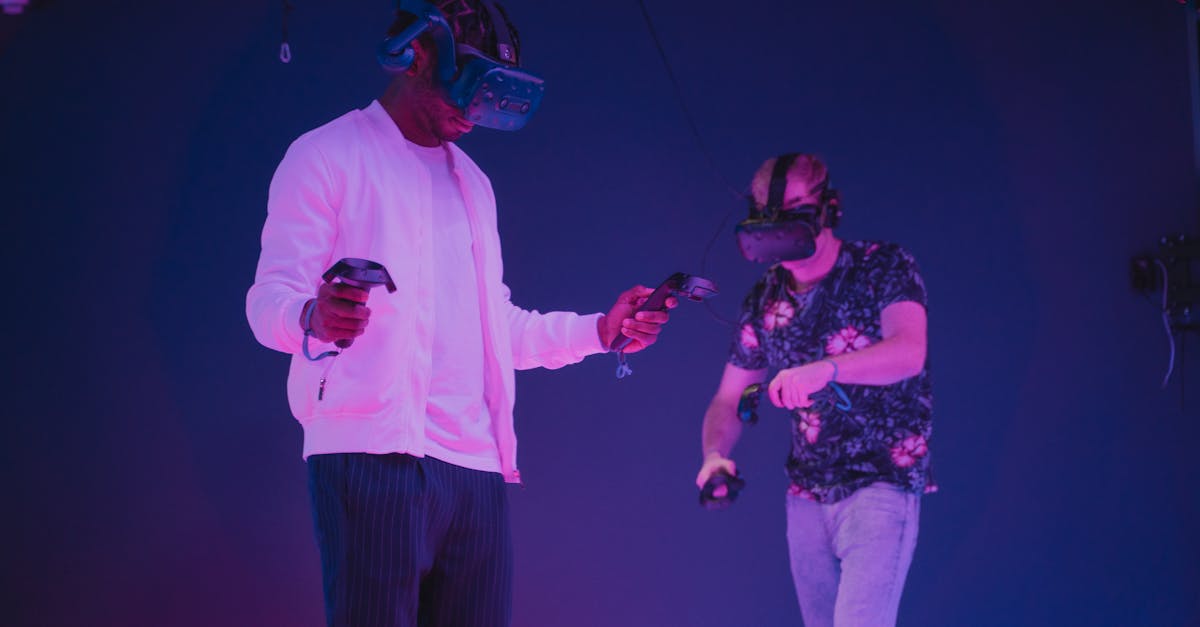
In a world where reality often feels a bit too mundane, augmented reality (AR) game development swoops in like a superhero, ready to transform everyday experiences into thrilling adventures. Imagine battling dragons in your living room or solving mysteries in your backyard—all while sipping your morning coffee. Sounds enticing, right?
As technology evolves, AR games are becoming more than just a novelty; they’re a gateway to immersive experiences that blend the digital and physical worlds. Developers are harnessing cutting-edge tools to create interactive gameplay that captivates players and keeps them coming back for more. So, whether you’re a seasoned developer or just curious about the magic behind AR, dive into the exciting realm of augmented reality game development and discover how it’s reshaping the gaming landscape.
Table of Contents
ToggleOverview of Augmented Reality Game Development
Augmented reality (AR) game development creates interactive experiences that enhance real-world environments. Developers utilize AR technology to superimpose digital elements onto physical settings, allowing players to engage with both realms simultaneously. This fusion enables vibrant gameplay, where ordinary spaces transform into immersive adventure zones.
Designing AR games involves leveraging a range of software development kits (SDKs), such as ARKit and ARCore. These tools provide essential frameworks for building AR applications, making them accessible for developers of various skill levels. Incorporating 3D models and animations adds depth, enriching user interaction and engagement.
User experience design remains critical in AR game development. Interfaces must be intuitive, ensuring players navigate smoothly between digital and physical elements. Feedback mechanisms, such as haptic responses, enhance immersion, contributing to a seamless experience.
Market trends indicate a growing demand for AR games. Statistics show that the global AR gaming market is projected to reach USD 300 billion by 2024. This surge reflects increased consumer interest in interactive entertainment that bridges digital and physical spaces.
Skillsets required for AR development include expertise in programming languages like C# and C++. Familiarity with game engines such as Unity and Unreal Engine also plays a crucial role. Together, these competencies empower developers to create captivating and engaging AR experiences.
Augmented reality game development stands at the forefront of innovation in the gaming industry. By integrating compelling storytelling with interactive technology, AR games redefine player engagement and elevate standard gameplay experiences.
Key Technologies in Augmented Reality
Augmented reality (AR) game development relies on a combination of hardware and software technologies that enhance user experiences. These technologies create interactive environments that engage players effectively.
Hardware Requirements
AR game development demands certain hardware specifications for optimal performance. Devices must include high-quality cameras to capture real-world environments. Processors with powerful graphics capabilities enhance image rendering and tracking speed. Moreover, many AR applications benefit from motion sensors, enabling precise spatial awareness. Smartphones and AR glasses are popular platforms, but specialized hardware like Microsoft HoloLens also supports sophisticated AR experiences. Developers focus on ensuring their applications remain responsive across varying devices to attract broader audiences.
Software Tools and Platforms
Several software tools and platforms simplify AR game development. ARKit and ARCore are leading SDKs, providing essential building blocks for creating AR experiences on iOS and Android devices. Unity and Unreal Engine stand out as preferred game engines, offering robust support for AR features. Additionally, these platforms facilitate cross-platform compatibility, streamlining the deployment process. Other valuable tools include Vuforia for image recognition and Blender for 3D modeling. Each of these software solutions enhances development efficiency and allows creators to bring their imaginative concepts to life seamlessly.
Design Principles for Augmented Reality Games
Effective design principles are crucial in creating successful augmented reality games. These principles focus on seamless integration of digital elements into real-world environments, ensuring user engagement and enjoyment.
User Experience Considerations
User experience plays a pivotal role in AR game design. Developers prioritize intuitive navigation to allow players to interact easily with digital content in their surroundings. Designing feedback mechanisms enhances immersion, guiding players through their experiences. Visual clarity is essential, as cluttered screens can confuse users. Players appreciate features that minimize distractions while maximizing enjoyment. Testing with real users shows how their interactions improve overall gameplay. Additionally, ensuring accessibility for diverse audiences boosts player retention and satisfaction.
Gameplay Mechanics
Gameplay mechanics significantly impact player engagement in AR environments. Developers focus on interaction methods, integrating touch, voice commands, and gestures for responsive experiences. Incorporating challenges that leverage real-world locations adds excitement and encourages exploration. Rewards enhance motivation, with players eagerly seeking achievements as they progress. Balancing difficulty keeps gameplay engaging, preventing frustration or boredom. Developers often test mechanics in various scenarios to refine experiences. Dynamic environments that adapt to user actions foster deeper immersion and connectivity between the player and the digital world.
Challenges in Augmented Reality Game Development
Developers face multiple challenges when creating augmented reality games. These obstacles range from technical limitations to user adoption barriers.
Technical Limitations
Technical constraints play a significant role in AR game development. Devices often lack the necessary hardware to support advanced features, such as high-quality graphics and real-time tracking. Limited battery life can hinder extensive gameplay, impacting user experience. Moreover, compatibility issues arise across different devices and platforms, complicating cross-platform development. Developers frequently encounter difficulties with accurate environmental mapping, which affects the integration of digital elements in physical spaces. Each of these factors makes creating a seamless AR experience increasingly challenging.
User Adoption Barriers
User adoption presents another hurdle for AR games. Familiarity with AR technology varies across audiences, affecting engagement levels. Many potential users may not own compatible devices, limiting market reach. Privacy concerns related to data collection also discourage participation in AR experiences. Additionally, players might encounter usability issues or disorientation, resulting in negative impressions. Educating users on how to interact with AR games remains essential for driving wider acceptance. Addressing these barriers is critical for the growth and success of augmented reality gaming.
Future Trends in Augmented Reality Gaming
Emerging technologies will reshape augmented reality (AR) gaming over the next few years. Integrating artificial intelligence (AI) into AR games will enhance personalization and adaptability. AI-driven non-player characters (NPCs) will interact with players more intelligently, creating dynamic narratives that respond to user choices.
5G networks are expected to revolutionize AR gaming experiences by offering faster data transmission and reduced latency. Enhanced connectivity allows for seamless multiplayer interactions, making it easier for players to engage in shared environments. These networks will also support graphics at higher resolutions, improving overall immersion.
Augmented reality wearables, such as glasses, will gain traction among consumers. Devices like Microsoft HoloLens and future iterations of AR glasses will deliver more portable and robust gaming experiences. Increased adoption of wearables will lead to an expansion of gameplay possibilities, from fitness games to location-based adventures.
Gamification of real-world activities will blur the line between gaming and daily life. This trend will encourage developers to create AR experiences that promote physical activity and social interaction. Additionally, educational AR games will emerge, targeting schools and learning environments, engaging students in interactive lessons.
Sustainability will become a priority in AR game development. Utilizing eco-friendly practices and reducing energy consumption will resonate with an environmentally conscious audience. Game developers will increasingly evaluate the impact of their products on the planet as they curate engaging gameplay.
Finally, community-driven content creation is set to thrive. Players will be empowered to design and share their own AR experiences through user-friendly tools. This trend encourages collaboration, enhances community engagement, and generates innovative content within the AR gaming landscape.
Augmented reality game development stands at the intersection of technology and creativity. As developers harness innovative tools and techniques, they’re creating experiences that captivate and engage players like never before. The future looks bright with advancements in AI and 5G, promising even more immersive gameplay and community-driven content.
As the AR gaming market continues to grow, the potential for unique storytelling and interactive environments expands. Embracing the challenges and opportunities within this space will be key for developers aiming to push the boundaries of gaming. With a focus on user experience and cutting-edge technology, the journey into augmented reality promises to redefine entertainment for players around the globe.