
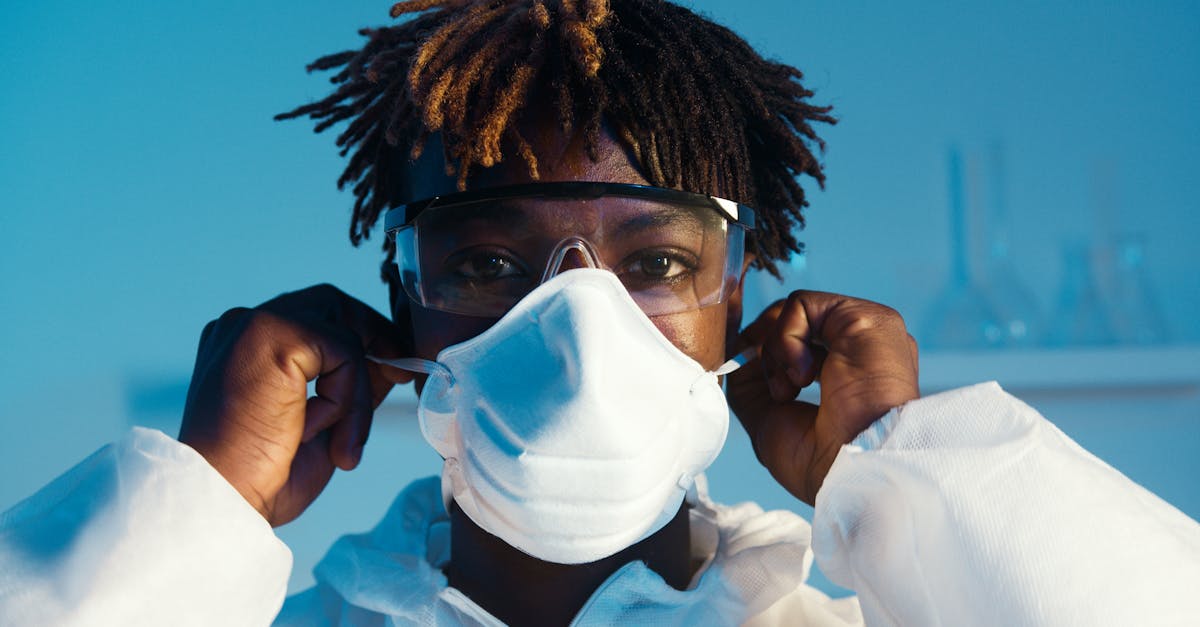
In the heart of innovation, American biotech labs are like the mad scientists of the modern age, brewing up solutions that could change the world. These hubs of creativity and research are where groundbreaking discoveries meet a dash of genius—and maybe a sprinkle of chaos. From gene editing to life-saving therapies, these labs are pushing the boundaries of what’s possible, one petri dish at a time.
But it’s not all lab coats and serious faces. Picture scientists high-fiving over a successful experiment or cracking jokes while they analyze data. It’s a blend of serious business and a playful spirit, making biotech not just a field of science but a vibrant community. As they tackle challenges like disease and environmental issues, American biotech labs are proving that saving the world can be both impactful and a little bit fun.
Table of Contents
ToggleOverview of American Biotech Labs
American biotech labs represent a critical sector in the life sciences field. These labs focus on research and development of innovative therapies, diagnostics, and medical devices. Cutting-edge technology like CRISPR and personalized medicine is a primary focus for many facilities.
Significant contributions from American biotech labs shape healthcare advancements. Laboratories across the country are engaged in tackling pressing issues such as cancer, genetic disorders, and infectious diseases. Collaborations among researchers foster a sense of community and encourage the sharing of ideas, enhancing the creative problem-solving process.
Many biotech companies prioritize translating scientific discoveries into viable treatments. Research initiatives often lead to successful clinical trials, paving the way for approval by regulatory bodies like the FDA. While rigorous, this process underscores the commitment to delivering safe and effective solutions to patients.
Investment in American biotech continues to grow, attracting venture capital and public funding. This financial support drives innovation and empowers labs to explore uncharted territories in medicine and biology. Notable collaborations with academic institutions further enrich the talent pool in the biotech landscape.
The atmosphere within American biotech labs is often dynamic and collaborative. Scientists, technicians, and engineers work side by side, fostering an environment where creativity and technical skill thrive. Engagement in various interdisciplinary projects equips teams to address complex scientific questions effectively.
Overall, the vibrancy and innovative spirit of American biotech labs play a pivotal role in the future of healthcare, ensuring ongoing advancements that benefit society.
Key Players in the Industry
American biotech labs feature a diverse array of companies committed to innovation and healthcare advancements. Major players in this sector significantly influence both research and development.
Major Companies
Amgen stands out as a leader in biotechnology, focusing on developing therapies for serious diseases. Gilead Sciences excels in antiviral drugs and has made significant strides in treating HIV and hepatitis. Genentech, a member of the Roche Group, specializes in oncology and personalized medicine. Biogen is known for its research on neurological disorders, particularly Alzheimer’s disease. Regeneron Pharmaceuticals develops monoclonal antibodies and has achieved multiple breakthroughs in treatments, particularly in eye diseases. These companies drive significant advancements through extensive research and development efforts.
Emerging Startups
Innovative startups also play a crucial role in the American biotech landscape. CRISPR Therapeutics focuses on gene editing technology, aiming to revolutionize treatments for genetic diseases. Allogene Therapeutics is committed to developing allogeneic CAR T cell therapies for cancer patients. Scribe Therapeutics emphasizes genetic medicine with a focus on CRISPR-based therapeutics. Recursion Pharmaceuticals integrates machine learning with biology to discover new treatments for rare diseases. These emerging entities enhance competition and drive progress, often collaborating with established companies and academic institutions for innovative solutions.
Innovations and Breakthroughs
American biotech labs continually push boundaries through innovative research. These institutions focus on developing treatments that address critical health challenges.
Recent Developments
Significant advancements emerged within the field recently. Researchers achieved breakthroughs in gene editing with CRISPR technology, leading to successful applications in treating genetic disorders. FDA approvals for novel therapies increased, facilitating access to life-saving treatments. Looking at emerging trends, companies prioritize precision medicine to customize therapies based on individual genetic profiles. The rise of telemedicine integrates biology with technology, enhancing patient engagement and improving health outcomes.
Technology Trends
Cutting-edge technologies are transforming the biotech landscape. Artificial intelligence plays a crucial role in drug discovery, accelerating the identification of promising compounds. Machine learning algorithms analyze vast datasets, leading to insights that streamline the development process. Cell and gene therapies gained traction, offering new avenues for treatment resistant conditions. Overall, the integration of next-generation sequencing enhances personalized treatment plans, ultimately driving biotech innovations forward.
Regulatory Environment
American biotech labs operate within a complex regulatory framework that ensures the safety and efficacy of innovative therapies. Understanding this environment is crucial for successful research and development.
FDA Regulations
FDA regulations govern the approval process for new drugs and medical devices. The agency requires extensive data from preclinical and clinical trials to assess safety and effectiveness. Each stage of the clinical trial process involves rigorous oversight. Submission of an Investigational New Drug application is necessary before human trials can begin. After successful trials, the Biologics License Application or New Drug Application must be filed for product approval. Compliance with FDA guidelines fosters trust in the biotech industry, paving the way for advancements that improve patient outcomes.
Compliance Challenges
Compliance challenges frequently arise during the regulatory process. Meeting FDA requirements can be resource-intensive, often leading to delays in product development. Companies may grapple with the complexities of data management and reporting, which can overwhelm small and emerging biotech firms. Maintaining quality control across various stages of development presents another hurdle. Navigating these challenges requires thorough planning and adaptability. Resource constraints may hinder some companies from achieving compliance, impacting their ability to bring innovations to market. Prioritizing compliance ultimately enhances innovation potential and ensures patient safety.
Future Outlook
American biotech labs are heading into an exciting future filled with potential and innovation. The landscape of biotechnology is poised for significant advancements, given the current trajectory of research and investment.
Market Predictions
Market analysts forecast rapid growth in the biotech sector. Investments expected to reach $300 billion by 2026 reflect this optimism. Personalized medicine and gene therapies are driving much of this growth, as companies focus on tailoring treatments to individual genetic profiles. Additionally, emerging fields like regenerative medicine stand to attract further attention in the coming years. The rise of telehealth is also anticipated to enhance access to biotech innovations for patients.
Potential Challenges
Challenges loom over the biotech industry despite its bright outlook. Regulatory hurdles and compliance issues could hinder progress for many companies. Smaller firms often struggle to navigate complex FDA guidelines, which can delay product development and market entry. Funding fluctuations may impact ongoing research projects. Moreover, ethical considerations surrounding gene editing and personal data privacy necessitate careful attention. Addressing these challenges is essential for the sustained growth of American biotech labs and their contributions to healthcare.
American biotech labs are at the forefront of transforming healthcare through innovation and collaboration. Their unique blend of creativity and scientific rigor drives advancements in therapies and diagnostics that address some of the most pressing health challenges. As investment continues to flow into this sector the potential for groundbreaking discoveries grows exponentially.
While navigating regulatory complexities and ethical considerations remains a challenge the commitment to compliance and patient safety is unwavering. The future of American biotech holds promise not only for improved health outcomes but also for a more personalized approach to medicine. With ongoing advancements in technology and a dynamic research environment these labs will undoubtedly play a critical role in shaping the future of healthcare.