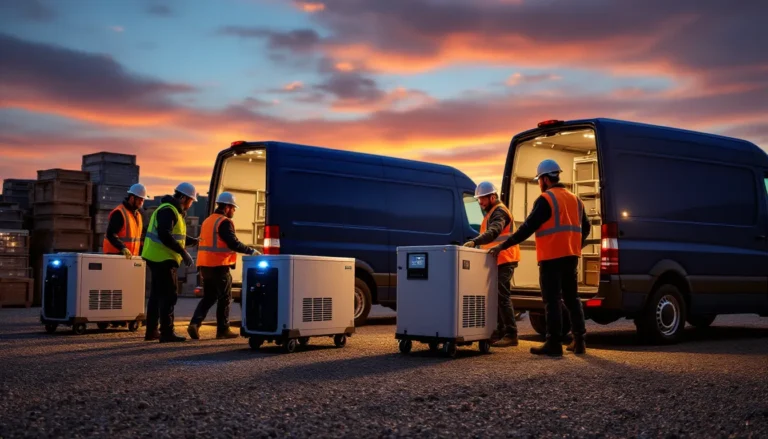
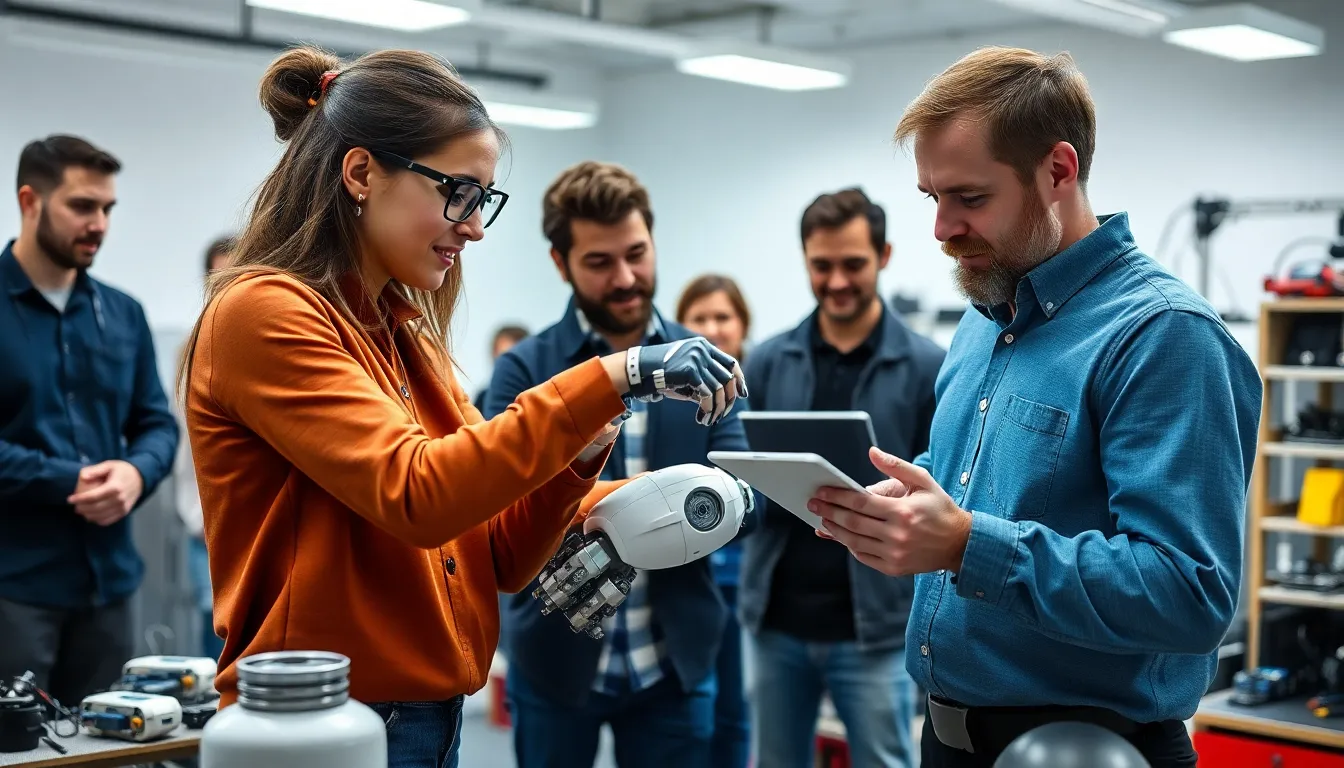
In a world where robots are no longer just the stuff of sci-fi movies, robotics companies are leading the charge into an exciting future. These innovative firms are transforming industries with their cutting-edge technology, making tasks easier, faster, and sometimes even a little quirky. Who wouldn’t want a robot to help with chores or even bring them coffee?
Overview Of Robotics Companies
Robotics companies are at the forefront of technological innovation, developing advanced solutions that transform industries. They specialize in creating machines that automate processes, enhance productivity, and improve efficiency. Various sectors, including manufacturing, healthcare, and logistics, benefit from these advancements.
Major players include companies such as Boston Dynamics and ABB Robotics. Boston Dynamics focuses on robotics for mobility and agility, with products like Spot, a versatile robotic dog. ABB Robotics excels in industrial robots, offering automated solutions that optimize production lines.
Emerging startups are also making a significant impact. Companies like Covariant work on AI-driven robotics to improve warehouse logistics. Automation Anywhere develops software bots designed to streamline business processes and increase operational efficiency.
Market growth reflects the increasing demand for robotic solutions. According to a report from Fortune Business Insights, the global robotics market is projected to reach $210 billion by 2025. This growth indicates the expanding role of robotics across various sectors.
Investment in research and development plays a crucial role in the success of these companies. Robotics firms allocate significant resources to innovation, ensuring their technologies remain cutting-edge. Collaborations between tech companies and research institutions further drive advancements in robotics.
These companies contribute to the future of work by redefining traditional roles and responsibilities. As automation becomes more prevalent, they focus on creating robots that assist human workers rather than replace them. The integration of robotics into everyday tasks demonstrates their versatility and practicality in modern life.
Key Players In The Industry
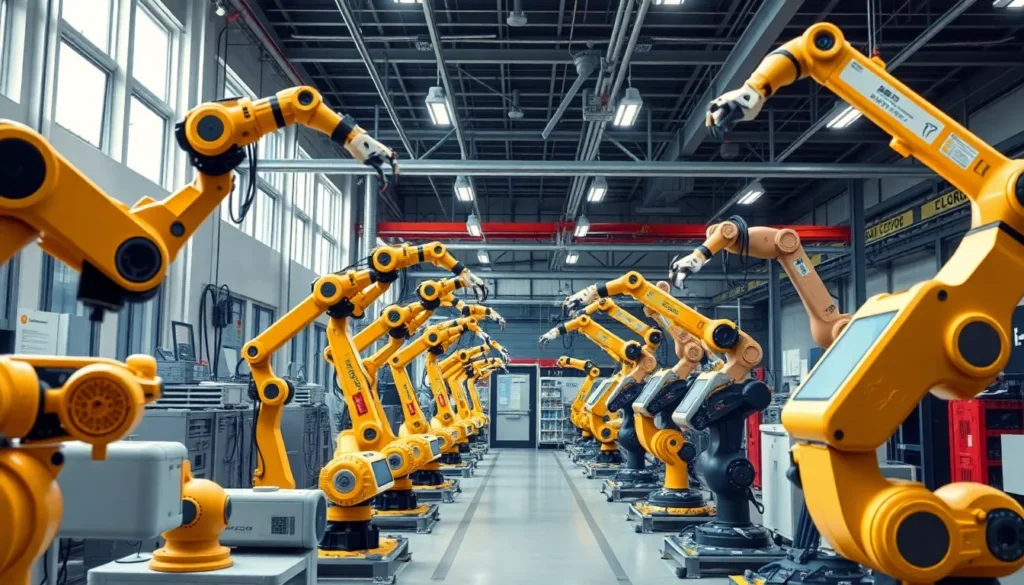
Robotics companies significantly impact various sectors with their advanced technologies. Established firms and innovative startups play distinct roles in shaping the industry.
Established Companies
Boston Dynamics leads with cutting-edge robots like Spot, excelling in automation. ABB Robotics specializes in industrial automation, enhancing manufacturing efficiency. Fanuc focuses on robotics systems that streamline production lines. KUKA stands out for its robotic arms that boost precision in automotive manufacturing. These companies set industry standards, driving technology forward.
Startups To Watch
Covariant impresses with AI-driven solutions that optimize logistics operations. Automation Anywhere innovates in business process automation, offering users powerful tools. Rethink Robotics develops collaborative robots that work alongside human employees, improving workflow. Scaled Robotics focuses on construction automation, addressing industry-specific challenges. These emerging companies represent the future of robotics, poised for rapid growth.
Innovations And Technologies
Robotics companies continue to advance technologies that drive automation and productivity across various sectors. Innovations in software and hardware contribute significantly to this evolution.
Robotics Software Advancements
Artificial intelligence transforms robotics software, making robots smarter and more adaptable. Machine learning algorithms enable robots to learn from their environments, enhancing decision-making capabilities. Companies like Boston Dynamics employ advanced programming to allow robots like Spot to navigate complex terrains autonomously. Natural language processing further facilitates interaction between robots and humans, creating seamless communication. Automation Anywhere integrates robotic process automation, improving efficiency in business operations. These software advancements redefine how industries utilize robotics, elevating productivity to new heights.
Hardware Developments
Innovative hardware designs play a crucial role in enhancing robotic functionality. Battery technology advancements extend the operational time of mobile robots, allowing them to perform longer tasks without downtime. Sensors and cameras equipped on robots improve perception and safety. Companies such as ABB Robotics focus on developing lightweight materials, increasing agility and speed in robotic movements. Moreover, collaborative robot designs enable safe interaction with human workers in shared spaces. These hardware developments contribute to creating versatile robots that can efficiently handle a range of applications.
Market Trends
The robotics sector experiences significant changes as it adapts to emerging technologies and shifting market demands. Companies are innovating to meet the needs of various industries.
Growth Potential
The global robotics market is set to reach $210 billion by 2025, highlighting considerable growth. Advances in artificial intelligence and machine learning drive demand for robots in sectors like manufacturing and healthcare. Collaborative robots, known for working alongside humans, attract interest in workplaces. Automation in logistics and supply chain management also fuels the growth of robotics companies. Startups specializing in AI solutions expand opportunities further, showcasing robots’ expanding roles in everyday tasks. As organizations seek efficiency and productivity, investments in robotics research and development continue to flourish.
Challenges Facing The Industry
Despite promising growth, robotics companies encounter several obstacles. High initial costs for advanced robotics solutions deter some organizations from adopting new technologies. Integration into existing systems also presents technical difficulties as companies strive for seamless functionality. Regulatory issues and safety standards often complicate the deployment of robots in sensitive environments. Additionally, a shortage of skilled workers proficient in robotics and AI hinders progress. Companies must address these challenges to fully leverage the potential of robotic technologies and ensure their successful innovation and deployment.
Future Outlook
The robotics industry is poised for remarkable growth in the coming years. Experts predict the global robotics market will reach $210 billion by 2025, driven by advancements in artificial intelligence and machine learning. Collaborative robots, also known as cobots, are increasingly used in workplaces, enhancing efficiency and productivity.
Innovation remains a key focus for leading companies. Boston Dynamics continues to develop agile robots capable of navigating complex environments, showcasing the potential for autonomous operations. Other firms, such as ABB Robotics, emphasize industrial automation where precision and reliability enhance production capabilities.
Emerging startups also play a crucial role in shaping the future. Covariant’s AI-driven logistics solutions demonstrate how technology can streamline operations, while Rethink Robotics focuses on creating collaborative solutions in manufacturing. Scaled Robotics is addressing the construction industry’s unique challenges by automating tasks such as bricklaying and site monitoring.
However, several challenges remain. High initial costs and integration difficulties hinder widespread adoption. Regulatory issues and a skilled workforce shortage further complicate the landscape. Companies that address these challenges can unlock new possibilities in automation, ensuring they stay competitive in the rapidly evolving market.
Partnerships with research institutions and investments in development are essential. Collaborations foster innovation while driving advancements that benefit industries. The integration of enhanced battery technology and lightweight materials in robotic designs will facilitate better performance and safety, ensuring robots can efficiently support human workers across various sectors.
As companies continue to innovate and adapt, the role of robots in society will expand, transforming the way tasks are performed in everyday life.
The landscape of robotics is evolving rapidly as companies push the boundaries of innovation. With advancements in AI and machine learning, robots are becoming more capable and versatile. This evolution not only enhances productivity but also transforms how industries operate.
As the market continues to expand, collaboration between established firms and emerging startups will drive further advancements. The focus on creating robots that complement human workers ensures a future where technology and people work hand in hand.
Investments in research and development will be crucial in overcoming existing challenges and unlocking the full potential of robotics. The journey ahead is filled with opportunities, promising a world where robots play an integral role in everyday life.