
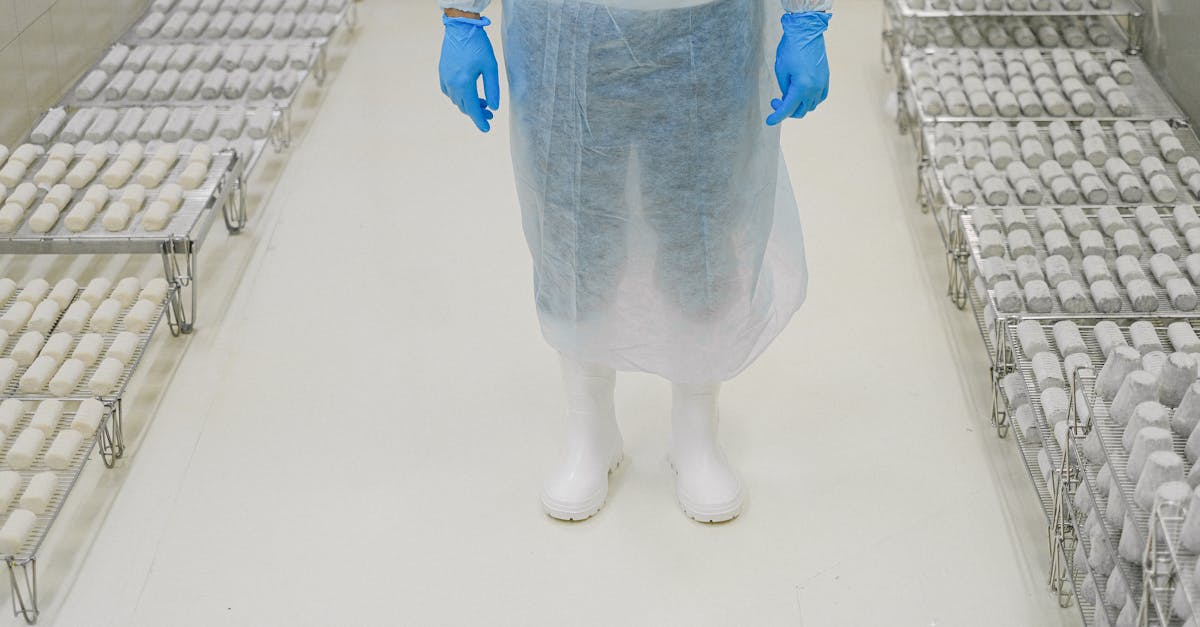
In a world where science fiction meets reality, biotech engineering stands at the forefront, transforming the way we tackle some of life’s biggest challenges. Imagine a lab where tiny organisms become superheroes, fighting diseases and creating sustainable solutions. This isn’t just a plot twist from a blockbuster movie; it’s the fascinating realm of biotech engineering where innovation knows no bounds.
Table of Contents
ToggleOverview of Biotech Engineering
Biotech engineering plays a crucial role in modern medicine, agriculture, and environmental sustainability. This field leverages biological systems to develop innovative solutions, addressing challenges such as disease management and food security. Engineers utilize techniques like genetic modification and synthetic biology, allowing for the creation of improved organisms and processes.
Applications of biotech engineering span several industries. In healthcare, scientists develop therapeutics that target specific ailments, leading to more effective treatments. Agriculture benefits from bioengineered crops that resist pests and diseases, empowering farmers while reducing chemical usage. Environmental efforts also gain from biotech, with microorganisms engineered to degrade pollutants and restore ecosystems.
Numerous technologies drive biotech engineering forward. CRISPR-Cas9, a gene-editing tool, allows precise modification of DNA, opening new avenues in research and treatment. Bioinformatics plays a significant role in analyzing complex biological data, enabling researchers to make informed decisions based on robust data sets.
Education and training in biotech engineering focus on interdisciplinary approaches. Students study biology, engineering principles, and ethics, preparing them for versatile careers. Continuous collaboration among scientists, engineers, and industry professionals fosters innovation, ensuring the field evolves to meet emerging challenges.
Funding remains essential for advancing biotech engineering projects. Government grants, private investments, and partnerships with academic institutions provide the resources needed for research and development. As the world confronts critical issues, the significance of biotech engineering will only increase, making it a key player in building a sustainable future.
Key Areas of Biotech Engineering
Biotech engineering encompasses various critical areas impacting health, agriculture, and industry. Each sector contributes significantly to addressing contemporary challenges.
Medical Biotechnology
Medical biotechnology focuses on developing techniques for disease prevention, diagnosis, and treatment. Researchers employ genetic engineering to create targeted therapies, enhancing patient outcomes in chronic illnesses. Advances in biopharmaceuticals produce innovative drugs derived from living organisms. Vaccines, gene therapies, and monoclonal antibodies illustrate practical applications that revolutionize healthcare delivery. Screening technologies and biomarker identification enhance early detection and personalized medicine approaches.
Agricultural Biotechnology
Agricultural biotechnology plays a pivotal role in enhancing food security and sustainability. Crop improvement strategies utilize genetic modification to create resilient plants. This approach enables the development of varieties that withstand harsh environmental conditions, resist pests, and require fewer resources. Herbicide-tolerant crops exemplify advancements that optimize yields while reducing reliance on chemicals. Biotechnology also enhances livestock health through vaccines and nutritional enhancements, leading to improved animal welfare and food production efficiency.
Industrial Biotechnology
Industrial biotechnology emphasizes using biological processes in manufacturing and resource management. Biofuels derived from biomass showcase a shift towards renewable energy sources. This field further includes developing biodegradable plastics and enzymes that streamline production processes across various industries. Implementing fermentation techniques reduces waste and fosters sustainable practices. Innovations in synthetic biology enable custom-designed microorganisms to produce valuable chemicals, contributing to greener manufacturing approaches while driving economic competitiveness.
Techniques in Biotech Engineering
Biotech engineering incorporates various advanced techniques to drive innovation across multiple sectors.
Genetic Engineering
Genetic engineering allows for precise modification of an organism’s DNA. Scientists employ techniques such as CRISPR-Cas9 to edit genes, enabling targeted alterations that can enhance disease resistance or improve crop yields. Applications extend to developing gene therapies that can correct genetic disorders in humans, providing new avenues for treatment. Enhanced traits in plants lead to increased nutritional value and reduced pesticide use, benefiting both consumers and the environment. Overall, genetic engineering plays a critical role in modern solutions for health and agriculture.
Bioinformatics
Bioinformatics merges biology with data science, facilitating the management and analysis of biological data. Researchers use bioinformatics tools to interpret complex genetic sequences, aiding in the development of personalized medicine and targeted therapies. By analyzing data patterns, bioinformatics enables scientists to predict disease susceptibility and treatment responses. Advanced algorithms assist in drug discovery, streamlining research processes. The significance of bioinformatics in biotech engineering cannot be overstated, as it drives informed decisions and innovative breakthroughs across various fields.
Synthetic Biology
Synthetic biology focuses on designing and constructing new biological parts, devices, and systems. Engineers use biological components to create organisms with novel functionalities, such as bacteria capable of producing biofuels or pharmaceuticals. This approach allows for the engineering of microorganisms that can efficiently degrade environmental pollutants, addressing pressing ecological issues. The modularity of synthetic biology promotes creativity and collaboration among researchers, fostering rapid advancements. Overall, synthetic biology represents a transformative technique within biotech engineering, driving sustainable solutions and expanding the capabilities of biological systems.
Applications of Biotech Engineering
Biotech engineering finds extensive applications across various industries, significantly impacting healthcare, agriculture, and environmental management.
Pharmaceuticals
Pharmaceutical applications of biotech engineering revolutionize medical treatments. This field utilizes advanced techniques to produce innovative drugs and therapies, including monoclonal antibodies and recombinant proteins. Engineers design therapies that target specific diseases, enhancing effectiveness and reducing side effects. For instance, gene therapy fixes genetic disorders by delivering functional genes into patients’ cells. The precision of biotechnology ensures personalized medicine, matching treatments with individual genetic profiles, thus optimizing patient outcomes.
Food Production
Food production benefits immensely from biotech engineering innovations. Techniques like genetic modification and CRISPR technology enable the development of crops with enhanced traits, such as drought resistance and improved nutritional value. Breeders utilize these advancements to increase crop yields while minimizing the need for chemical pesticides and fertilizers. Moreover, bioengineered organisms can produce healthier food alternatives, addressing global food security challenges. These improvements contribute significantly to sustainable agriculture, ensuring a stable food supply for growing populations.
Environmental Solutions
Environmental applications of biotech engineering address pollution and resource management. Engineered microorganisms clean up contaminated sites by breaking down pollutants, such as oil spills or heavy metals. Bioremediation processes utilize these organisms to restore ecosystems effectively, promoting ecological balance. Additionally, innovations like biofuels derived from microbial processes provide renewable energy sources, reducing reliance on fossil fuels. These environmental solutions highlight the critical role of biotech engineering in fostering a sustainable future.
Future Trends in Biotech Engineering
Emerging technologies reshape the landscape of biotech engineering, highlighting advancements that promise to transform various sectors. Gene editing techniques, especially CRISPR, continue to enhance precision, enabling targeted therapies and agricultural improvements. With increased focus on personalized medicine, tailored treatments based on genetic profiles significantly improve patient outcomes.
Synthetic biology progresses as researchers design and construct new biological parts and systems. This area allows for innovative applications, including engineered microorganisms that can produce biofuels or remediate environmental pollutants. Collaborative efforts among scientists, engineers, and industry stakeholders drive the development of novel solutions to pressing challenges.
Machine learning and artificial intelligence play critical roles in bioinformatics. These technologies analyze vast biological datasets, facilitating the discovery of previously unknown interactions and potential drug targets. As data becomes more complex, integrating AI will streamline research processes and improve decision-making capabilities.
Regenerative medicine stands at the forefront of biotech engineering advancements. Techniques such as tissue engineering and stem cell therapy show potential for repairing or replacing damaged tissues and organs. The ongoing research indicates significant improvements in treating chronic conditions and debilitating injuries.
Sustainability remains a vital focus, with biotechnological innovations aimed at reducing environmental impact. Biodegradable materials and eco-friendly pesticides enhance agricultural practices, addressing food security challenges while minimizing chemical reliance. Investments in green biotech applications underscore the commitment to a sustainable future.
Overall, the future of biotech engineering presents exciting possibilities. Advancements across gene editing, bioinformatics, regenerative medicine, and sustainable practices will lead to innovative solutions that tackle the world’s most pressing issues.
Biotech engineering stands at the forefront of innovation with its ability to tackle some of the world’s most pressing challenges. The integration of advanced techniques like CRISPR and synthetic biology is not just transforming medicine and agriculture but also paving the way for a more sustainable future. As this dynamic field continues to evolve, it promises to deliver groundbreaking solutions that enhance the quality of life and protect the environment. The collaboration among scientists, engineers, and industry leaders ensures that biotech engineering remains a vital force for positive change in society. With ongoing investment and research, the potential for breakthroughs in health, food security, and environmental management is limitless.